Scenario-Based Practice vs. Lecture: Why Repetition Beats Reading
Security training that sticks is training that was practiced. Here's why scenario repetition outperforms lecture, and how to build rehearsal into your program.
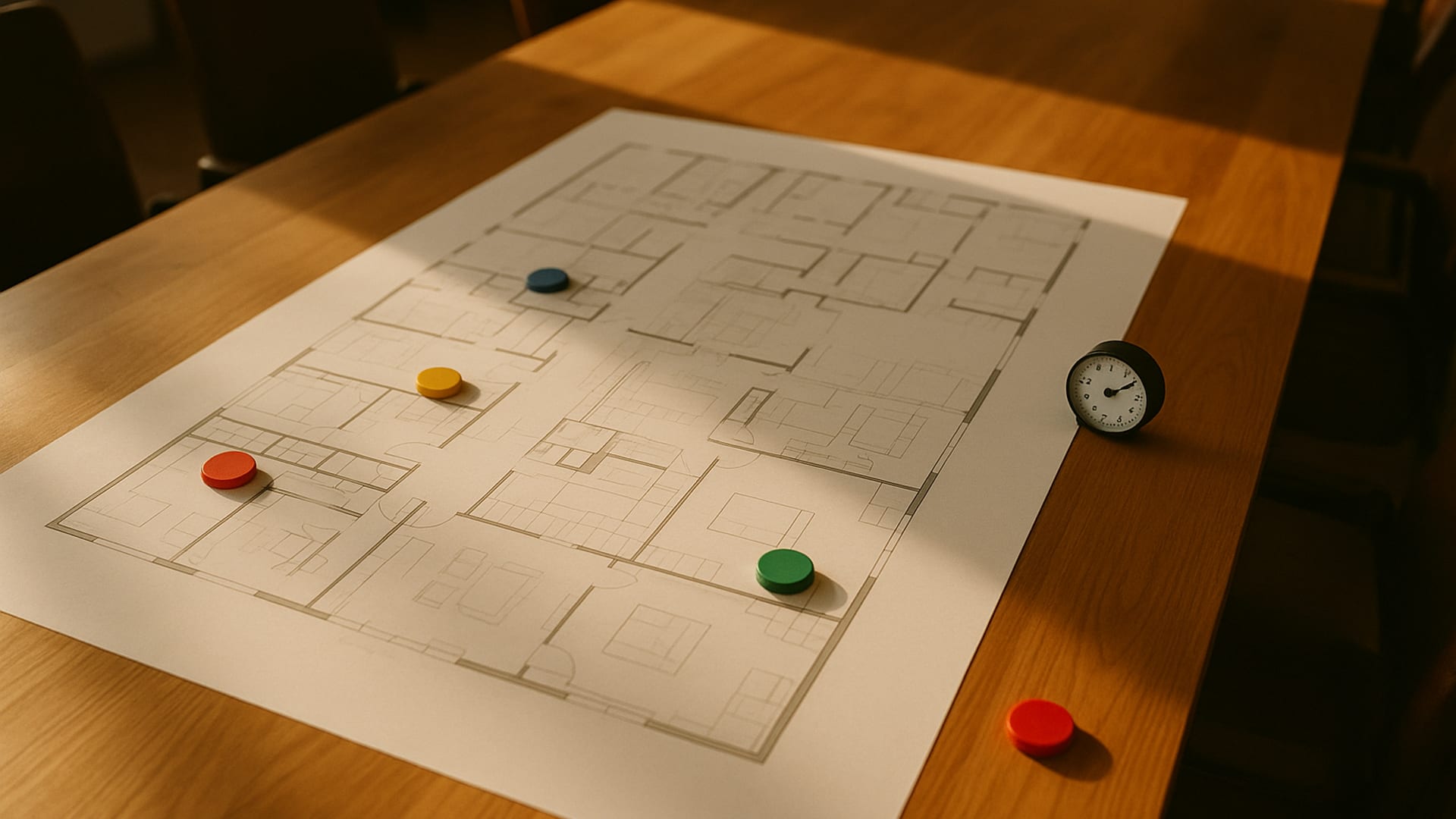
You will not perform better than you have practiced.
That sentence is the cornerstone of serious training across every high-stakes field. Military. Aviation. Emergency medicine. Athletics. Wherever performance under pressure matters, the data is consistent: repeated practice under realistic conditions produces capability that lecture alone cannot.
Security training is not exempt. A staff team that has sat through a 90-minute presentation on Avoid, Deny, Defend knows more than they did before. They are not yet capable of executing it under pressure. That requires practice. And practice requires a program, not a single afternoon.
Why classroom training has limits.
A well-delivered classroom training can cover a lot. The doctrine, the reasoning, the decision framework, the vocabulary, the stories of past events. All of that is useful. It is also all conceptual.
What classroom training does not do:
- Expose trainees to the cognitive narrowing that happens under stress
- Build muscle memory for specific physical actions
- Test communication between team members
- Reveal the gaps between written protocol and actual execution
- Generate the kind of mistakes that produce learning
Every one of those only happens in practice. A trainee who has only read about tourniquet application has different hands than one who has applied one ten times. The difference matters in the moment.
The science of deliberate practice.
Research on expert performance, notably the work of Anders Ericsson and others, points to deliberate practice as the mechanism by which capability is built. Deliberate practice has specific features:
- Specific, well-defined goals for each practice session
- Full attention during practice (not running through motions absently)
- Immediate feedback, ideally from a knowledgeable coach
- Repetition that targets the edge of current capability, not easy execution
- Reflection after practice on what worked and what did not
Applied to security training, deliberate practice looks like:
- A scenario with a specific learning objective (not generic “active threat”)
- Clear roles for participants with real decisions to make
- An observer or facilitator who can offer feedback
- Repeating elements that were poorly executed until they improve
- A structured debrief that captures lessons for next time
This is fundamentally different from a checkbox training exercise.
The scenarios that produce the most learning.
Not every scenario is equal. The most valuable scenarios in our experience share common features.
They are relevant
A scenario that matches a realistic situation for the specific facility produces more learning than a generic exercise. A church in Fort Myers rehearsing a disruption during Sunday morning service is learning something directly transferable. The same church rehearsing a generic “workplace violence” scenario less so.
They are achievable
The goal of a scenario is not to stump participants. It is to provide opportunities to exercise trained decision-making. Scenarios that are too hard produce demoralization. Scenarios calibrated to capability produce growth.
They include communication
Real emergencies involve teams, not individuals. Scenarios that require participants to communicate with each other, coordinate actions, and pass information across roles reveal the communication gaps that written protocols never do.
They are debriefed
The most valuable conversation happens after the scenario, not during it. A structured debrief captures what worked, what did not, and what to try differently next time. Scenarios without debriefs are entertainment, not training.
The psychological safety piece.
Scenario training done poorly can traumatize participants. The period 2017 to 2020 saw considerable controversy over unannounced active shooter drills in schools, some of which involved staff not being warned, actors firing blanks, or dramatic realism that exceeded the psychological preparation of participants.
Responsible scenario training respects participants. Features that matter:
- Announcement: Participants know the exercise is occurring. Training is explicit, not ambushing.
- Consent: Participants understand what the scenario will involve before it starts.
- Graduated intensity: Early scenarios are low-stress. Complexity increases as comfort and capability grow.
- Opt-out: Anyone uncomfortable can step out without judgment.
- Decompression: After intense scenarios, a structured debrief and time to reset.
- Mental health awareness: Facilitators monitor for signs of acute distress and respond appropriately.
The research on effective drills is clear. You do not need shock value to build capability. You need consistent, structured, respectful practice.
The rhythm that builds a program.
A training program that produces lasting capability has a predictable rhythm. For a typical church, daycare, senior living facility, or nonprofit in Southwest Florida, that might look like:
- New staff onboarding includes basic security awareness and Stop the Bleed
- Annual comprehensive training refresh (Avoid, Deny, Defend; CPR/AED; facility-specific protocols)
- Quarterly tabletop exercises rotating through different scenarios
- Semi-annual live drill (evacuation, lockdown, or medical response)
- Ad-hoc scenarios triggered by real events elsewhere (using national incidents as teaching moments)
- After-action review after any real incident, no matter how small
The rhythm compounds. Year one trains the basics. Year two refines. Year three begins to produce a team that performs measurably better than an untrained one.
West Freeway Church as evidence.
The West Freeway Church of Christ security team that responded in December 2019 was not exceptional because the team was armed. Many churches have volunteers with firearms. The team was exceptional because they had trained together, repeatedly, with scenarios tailored to their facility.
Jack Wilson, the team lead, has spoken publicly about the years of rehearsed drills that preceded the incident. The team knew their positions. They knew each other’s reactions. They had practiced the specific decision of engagement under compressed time. When the moment came, they executed what they had practiced.
The lesson is not about that specific outcome. It is about the relationship between practice and capability. What a team does under pressure is what the team has rehearsed. Period.
The verse frames disciplined training as a fundamental practice. Paul uses the athletic metaphor because it was the clearest cultural reference for his audience. The principle is durable. Preparation that is deliberate, repeated, and disciplined produces capability. Preparation that is cursory does not.
How we run scenarios.
When we design and facilitate scenarios for client organizations, the structure is consistent:
Pre-brief
Before the scenario begins, participants are briefed on what they will encounter, what their role is, and what the learning objective is. No surprises. The scenario is not a test. It is a practice.
Execution
The scenario is run, with facilitators observing but not interrupting. Participants make decisions, take actions, and experience the consequences (in scenario terms).
Debrief
Immediately after, a structured conversation walks through what happened. What worked. What did not. What to try differently. The debrief is the training.
Repetition
The same or similar scenario is re-run later in the session, or in a subsequent session, allowing participants to apply the lessons from the debrief. The re-run is typically where the biggest capability jumps happen.
Documentation
A written after-action note captures the lessons and tracks them forward into the next planning cycle.
The Southwest Florida specifics.
Regional considerations for scenario-based training:
- Hurricane scenarios. Southwest Florida organizations should practice severe weather response at least annually. Post-Ian data suggests that organizations who had practiced recovered faster.
- Seasonal staffing. Winter season brings new volunteers and staff. Training rhythm should include refreshers after each major staffing transition.
- Facility variation. Older buildings, newer buildings, hurricane-hardened construction, and open-air facilities all produce different scenarios. Local facility specifics matter.
- Coastal considerations. Water proximity adds drowning, storm surge, and boating-related scenarios to the relevant mix for organizations along the coast.
The payoff is not visible until it matters.
The return on scenario-based training is not visible in daily operations. It is visible in the moment an incident occurs, when a team that has practiced together performs the steps they have rehearsed while others are still processing what is happening. That moment pays back every hour of prior training.
If your organization in Fort Myers, Cape Coral, Naples, or Port Charlotte wants to build training that produces real capability, scenario-based practice is the necessary ingredient. We would be glad to help design and facilitate the program, calibrated to your specific facility and the people you serve.
Ready when you are
Train the response before the day that tests it.
Taught by a combat veteran, sized for civilians. Role-appropriate, scenario-based, respectful of the people in the room.
Plan a training sessionRelated Insights
Keep reading.
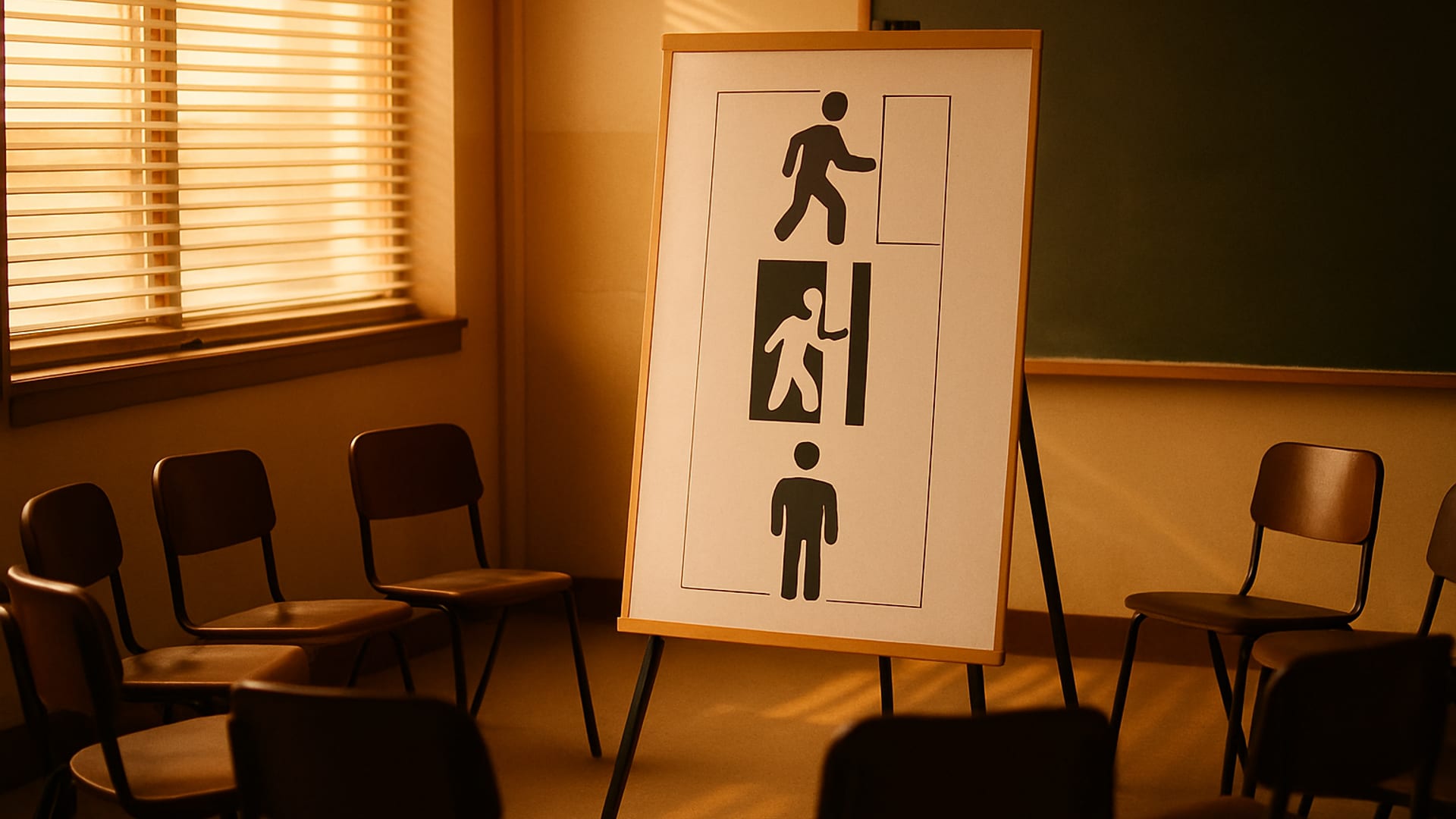
Avoid, Deny, Defend: The Doctrine Everyone Should Know
Avoid, Deny, Defend is the civilian doctrine for active threats from Texas State's ALERRT program. Here's what it is, why it matters, and how it gets taught.

Priorities of Life in a Mass-Casualty Moment
In a mass-casualty moment, care is given by priority, not by sequence. Here's how civilian responders think about who to help first, and why.
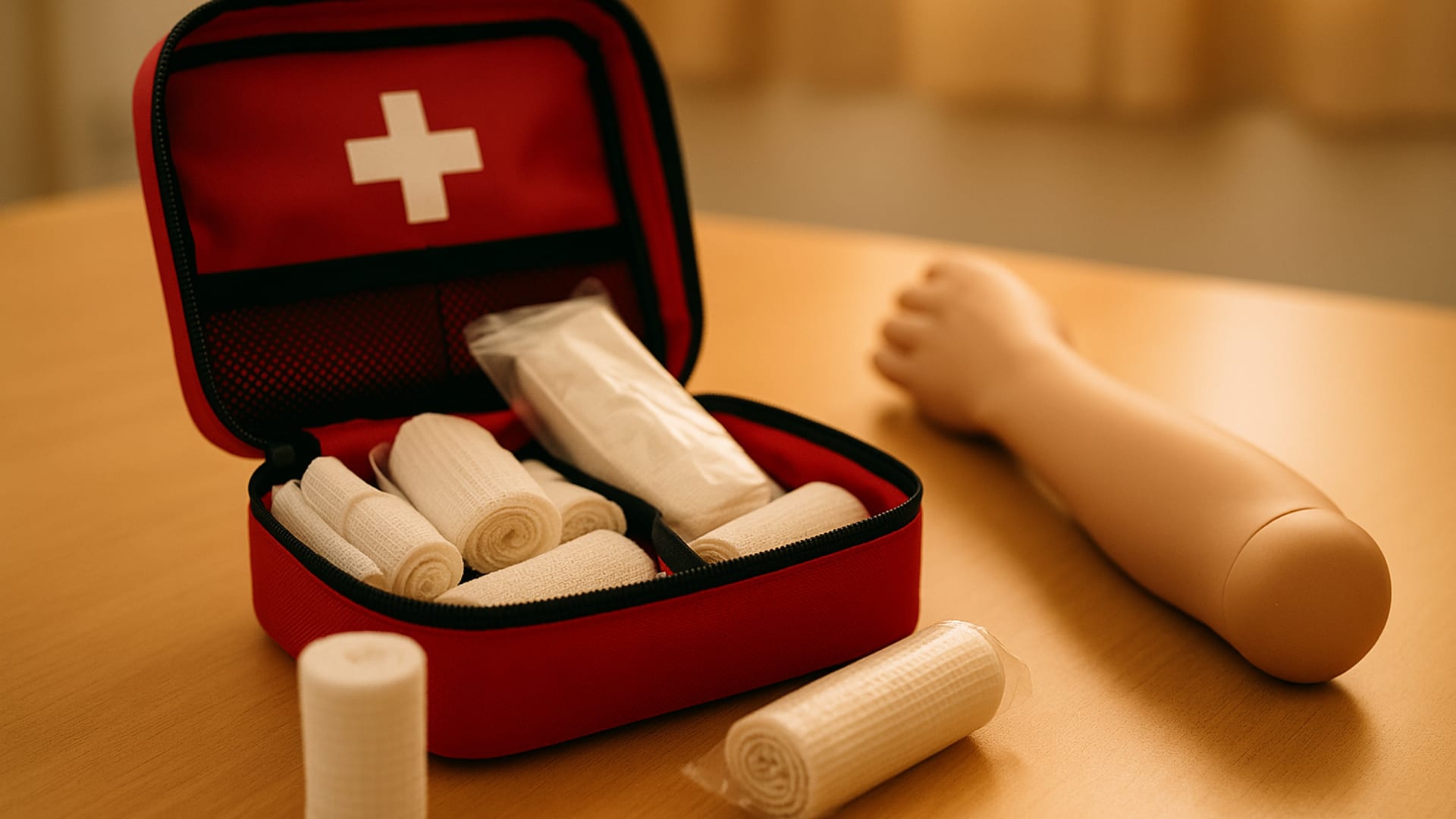
Stop the Bleed 101: Tourniquets, Wound Packing, and Direct Pressure
Massive bleeding is survivable if treated quickly. Stop the Bleed teaches civilians three techniques that save lives. Here's what your team needs to know.